What to Repair After a Collision
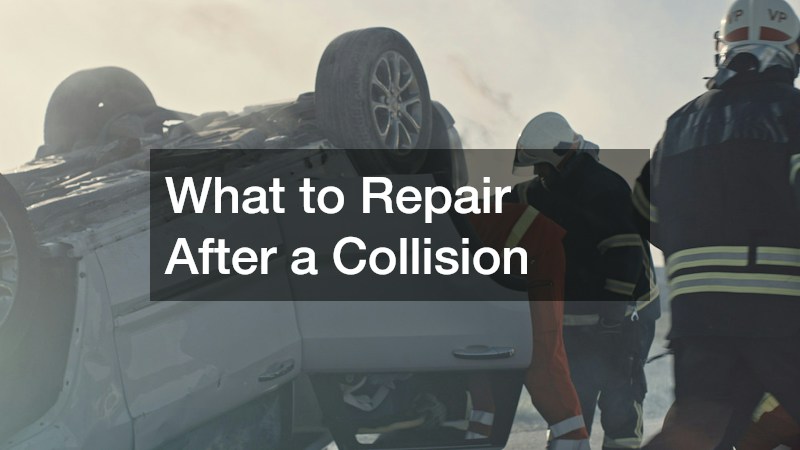
A collision can leave you shaken, confused, and facing a long list of decisions. Even when the damage looks minor, the forces involved in a crash can bend metal, loosen components, and compromise safety systems in ways you cannot see from the driver’s seat. Knowing what to repair, and in what order, protects your safety, your budget, and your vehicle’s resale value.
This guide walks through the repairs that matter most after a crash, from structural integrity to glass, mechanical systems, finishes, and the paperwork that surrounds it all. Use it as a roadmap when talking with technicians and insurers, so you can ask sharp questions and avoid shortcuts that cost far more down the road.
Start With Safety and Documentation
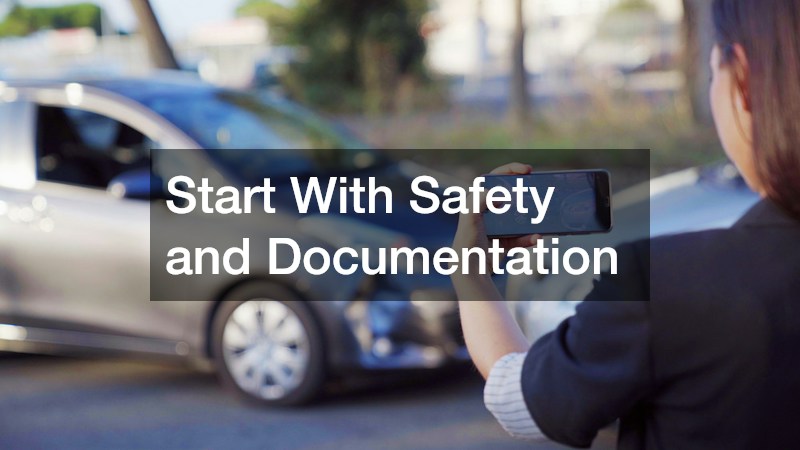
Before any wrench is turned, the first priority is making sure everyone is safe and the damage is properly recorded. Decisions made in the first few hours often shape how smoothly the entire repair process goes, including how much your insurer is willing to pay.
Photograph Everything Before the Vehicle Moves
If it is safe to do so, take wide shots of the scene and close-ups of every damaged area. Capture the position of the vehicles, skid marks, road conditions, and any debris. Photos taken at the scene are far more persuasive than images taken days later, after parts have been cleaned or removed.
- Photograph all four sides of your vehicle, plus the roof and undercarriage if you can reach it.
- Record the license plates and insurance details of every vehicle involved.
- Note the time, weather, and lighting, since these details can matter in a dispute.
- Save any warning lights or error messages that appear on the dashboard by photographing them.
Also request a copy of the police report as soon as it is available. The report records the official account of the crash, lists witnesses, and often becomes the reference document insurers use when deciding who was at fault.
Get a Professional Inspection Before Driving Far
Adrenaline and a running engine can make a damaged vehicle feel fine. Do not trust that feeling. Hidden problems such as bent suspension links, cracked radiator supports, or leaking fuel lines can turn a short drive into a dangerous one. Have the vehicle towed if you notice pulling to one side, grinding noises, fluid on the ground, or a steering wheel that is off-center. A thorough inspection should include a look at the underbody, the suspension, and the electronic safety systems, not just the visible dents.
Repair Structural and Frame Damage First
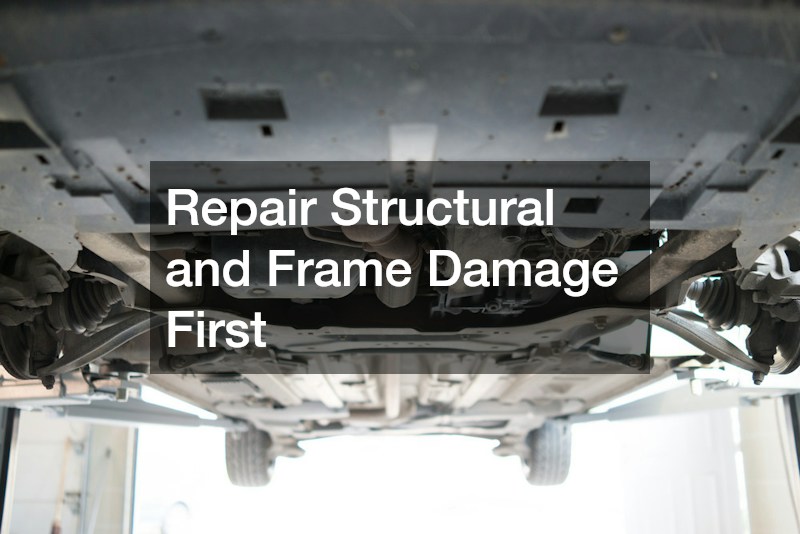
Structure comes before everything else. Your vehicle’s frame and unibody are engineered to absorb crash energy in a precise way, and a repair that ignores structural damage can leave you far less protected in the next collision. Cosmetic work done over a bent frame is a bad investment, because the panels will never fit correctly and the car may never drive straight.
Ask for Frame Measurements in Writing
Modern vehicles are built to tolerances measured in millimeters. A reputable technician will use computerized measuring equipment to compare your vehicle’s dimensions against factory specifications, both before and after the work. Ask for the printout. If a shop cannot show you measurements, that is a red flag. Bring your car to one of the trusted auto body collision shops in your area that can document its frame work and explain exactly which sections were pulled, straightened, or replaced.
Insist on Proper Parts and Repair Procedures
Different materials require different repair methods. High-strength steel, aluminum, and carbon fiber components often cannot be heated or straightened the way mild steel can, and some must be replaced outright according to the manufacturer’s guidance. Ask which parts are being used and why.
- Request the manufacturer’s repair procedures for your specific model and year.
- Ask whether parts are original equipment, aftermarket, or salvaged, and how each choice affects your warranty.
- Confirm that welds, adhesives, and rivets follow factory specifications.
- Have crumple zones, reinforcement bars, and mounting points inspected even if they appear intact.
Address Mechanical and Drivetrain Issues
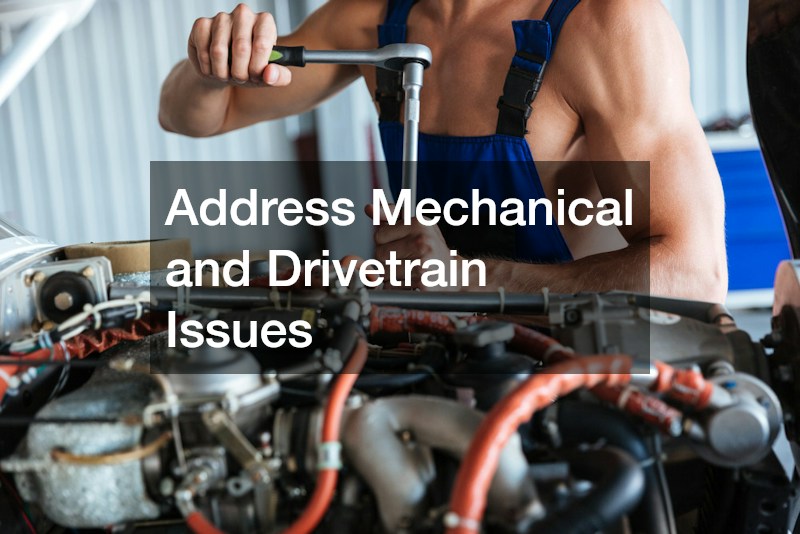
A hard impact travels through the entire vehicle. Even if the front bumper took the hit, the force can reach the engine mounts, axles, transmission housing, and cooling system. Mechanical problems frequently show up days or weeks after a crash, so a careful inspection right away is worth the effort.
Check Fluids, Leaks, and Warning Lights
Look under the vehicle for puddles and check the levels of engine oil, coolant, brake fluid, power steering fluid, and transmission fluid. A sudden drop in any of them signals a leak or a cracked component. Pay attention to the temperature gauge, because damage to a radiator or hose can cause overheating that ruins an engine within minutes. Any illuminated warning light after a crash deserves a diagnostic scan, since sensors and wiring harnesses are easily damaged.
Do Not Ignore Delayed Transmission Symptoms
Transmissions can be knocked out of alignment or have their mounts and cooling lines damaged in a crash. Watch for slipping gears, harsh shifts, delayed engagement, or a burning smell. If you notice any of these, schedule a diagnosis with a provider of local transmission repairs before the problem spreads to other components. Early intervention can mean replacing a mount or a line rather than rebuilding the entire unit.
Other mechanical items to inspect include:
- Wheel alignment and tire wear, which often reveal suspension damage
- Brake lines, rotors, and calipers, especially after a sudden stop
- Axles and CV joints, which may crack or bend under side impact
- Exhaust components, which can be dented or detached from their hangers
- Cooling system hoses, the radiator, and the condenser for the air conditioning
After repairs, take a test drive on a quiet road with the radio off. Listen for new rattles, clunks, or humming, and note whether the car tracks straight at highway speed.
Restore Glass and Visibility
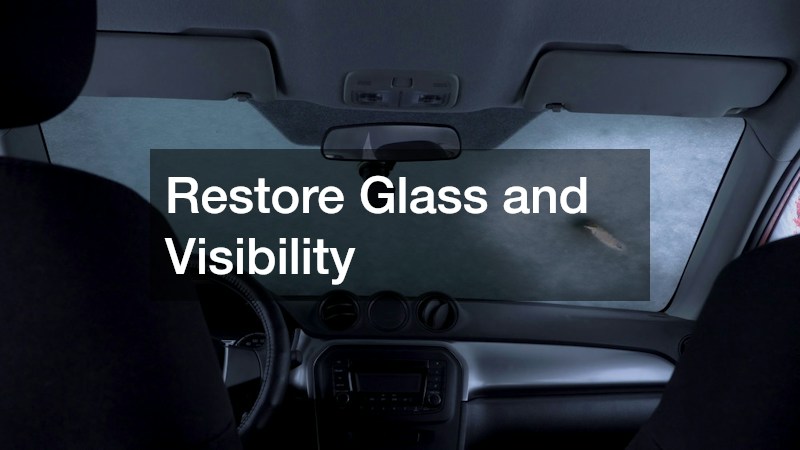
Glass is not only a visibility issue. In many vehicles, the windshield supports the roof in a rollover and helps the passenger airbag deploy correctly. A damaged piece of glass is a safety problem, not just an eyesore.
Judge Chips and Cracks Honestly
Small chips can sometimes be repaired with resin, but cracks that reach the edge of the glass, damage in the driver’s line of sight, or multiple impact points usually call for replacement. If you are comparing options, look for windshield replacement services that use quality adhesive, follow the manufacturer’s cure times, and offer a warranty on leaks and workmanship. A rushed installation can lead to wind noise, water intrusion, and weakened structural support.
When the glass is replaced, ask whether the technician will install a new windshield that matches the original equipment specifications, including any embedded sensors, antennas, or heating elements. Mismatched glass can interfere with rain sensors and driver assistance cameras.
For side and rear windows, shattered tempered glass leaves tiny fragments inside door panels and seat tracks. Ask the shop to vacuum thoroughly. For the broader job of replacing doors, quarter windows, or sunroofs, many drivers turn to glass replacement services that can handle every window on the vehicle in a single appointment.
Plan Tint and Calibration After Glass Work
If your vehicle had tinted windows before the crash, the film on any replaced glass will need to be redone. Wait for the new glass and adhesive to cure fully before film is applied. Many people schedule auto window tinting services a week or more after installation, so that the tint does not trap moisture or peel at the edges. Check local regulations on allowable darkness so the new film does not cause trouble at your next inspection.
Vehicles with lane-keeping cameras, collision warning systems, or rain sensors mounted behind the windshield typically require calibration after the glass is replaced. Ask for a printed calibration report to confirm that the systems are working as designed.
Finish Cosmetic and Protective Surfaces
Once the structure, mechanics, and glass are sound, the focus can turn to appearance. Cosmetic work is not just about looks. Paint and coatings protect bare metal from moisture, and poor finishing allows rust to creep beneath the surface within a year or two.
Match Paint and Panels Carefully
A good paint job begins with preparation. Panels should be sanded, primed, and sealed before color is applied, and the new paint should blend into adjacent panels so the transition is invisible in daylight. Ask the shop to show you a paint code match and to inspect the finish under bright, natural light before you sign off. Many owners rely on full-service auto collision services that handle dent removal, refinishing, and trim reassembly under one roof, which makes it easier to hold a single party accountable for the final result.
Things to inspect before accepting your vehicle:
- Panel gaps that are even and consistent on both sides of the car
- Paint texture free of runs, dust, or an orange-peel effect
- Trim, moldings, and emblems that sit flush and secure
- Headlights and taillights that are aligned and free of moisture
- Doors, hood, and trunk that open, close, and latch smoothly
Protect the Finish After Repairs
Fresh paint needs time to harden. Avoid automatic car washes with brushes for at least a month, and skip waxing until the shop says the finish has fully cured. If you want extra protection or a fresh look, consider vehicle wraps as a way to shield repaired panels from chips and sun damage while changing the color or adding a satin or matte appearance. A wrap should only be applied to properly prepared, fully cured surfaces, so confirm timing with your repair shop first.
Schedule a follow-up visit about thirty days after pickup. Paint can reveal small defects once it has fully cured, and clips or fasteners may loosen after a few weeks of driving. Reputable shops will gladly correct these issues under warranty.
Handle Insurance, Legal, and Specialty Concerns
Repairs are only part of the recovery. The financial and legal side of a collision can be just as complicated, and mistakes there can leave you paying for damage you should not have to cover.
Know When to Call for Legal Help
If you were injured, if fault is disputed, or if an insurer is offering far less than the repair estimates suggest, it is wise to talk with one of the experienced car accident lawyers in your region. A consultation is often free, and an attorney can help you understand your rights regarding medical bills, lost wages, diminished value, and repair costs. Keep every receipt, estimate, and piece of correspondence in one folder so your case is easy to document.
- Never sign a release or accept a settlement before you know the full extent of the damage and any injuries.
- Keep a written log of phone calls with adjusters, including names, dates, and what was promised.
- Get at least two or three written estimates so you can show that a quote is reasonable.
- Ask your insurer in writing whether you have the right to choose your own repair facility.
Choose the Right Shop for Your Vehicle
Not every shop is equipped for every vehicle. European and Asian imports often use specialized parts, proprietary diagnostic software, and unique materials. If you drive one, look for foreign auto repair services with technicians trained on your brand and access to the correct scan tools. Ask about certifications and whether the shop has repaired your specific model before.
Whatever you drive, review the final invoice line by line. Make sure every item matches the original estimate or comes with a written explanation of supplemental charges. Keep the old parts if you wish to verify they were actually replaced, and request a written warranty that covers both parts and labor.
Recovering from a collision is a process, and the order of your repairs matters. Begin with safety and documentation, restore the structure, correct any mechanical problems, repair the glass, and then finish the cosmetic work. Throughout, insist on measurements, written procedures, and warranties that prove the job was done properly. A little diligence now keeps your vehicle safe on the road, protects its value, and gives you the confidence that the next trip will be a secure one.