Road Smart Strategies: Mastering Vehicle Care, Handling Emergencies, and Making Better Driving Decisions
Every driver benefits from having a strategic approach to vehicle ownership, maintenance, and safety. Whether you commute daily, enjoy weekend drives, or depend on your vehicle for professional use, understanding how to care for your car is essential to preventing breakdowns and avoiding unnecessary risks on the road. A road-smart strategy empowers you to make informed decisions about maintenance, emergency preparedness, financial planning, and legal protection. When you understand the systems that keep your vehicle running, how to respond during unexpected situations, and which services support your long-term driving needs, you build confidence and reliability into every mile you drive.
Prioritizing Maintenance for Long-Term Reliability
Regular maintenance is foundational to responsible vehicle ownership, and understanding when to schedule essential services helps prevent expensive breakdowns. Whether you drive daily or only occasionally, staying ahead of maintenance needs ensures that your vehicle remains safe, dependable, and efficient. This is especially important when seeking help from professionals who specialize in auto repair, as their expertise can extend the life of your engine, brakes, transmission, and other vital components. Simple habits such as checking your tire pressure, monitoring fluid levels, replacing filters, and addressing unusual sounds can alert you to problems before they escalate. Drivers should also familiarize themselves with manufacturer-recommended service intervals to keep their vehicles aligned with industry standards.
To stay organized, many vehicle owners create maintenance logs with recurring reminders for oil changes, brake inspections, tire rotations, and seasonal checks. Digital apps or physical notebooks work well for tracking what has been completed and what may be due in the coming months. These habits reduce the likelihood of unexpected roadside issues and help you build a long-term understanding of your car’s performance patterns. Preventive care not only enhances safety but also contributes to financial stability by reducing emergency expenses. With consistent maintenance routines in place, you’re better positioned to enjoy smooth, reliable travel regardless of the weather, terrain, or distance you plan to cover in your driving journey.
Choosing Specialized Care for Your Make and Model

While general maintenance shops can handle many repairs, some vehicles benefit from brand-specific expertise due to their engineering, parts availability, and diagnostic requirements. For example, drivers of European cars often look for technicians who are familiar with volkswagen services because these specialists understand the detailed configurations that define that manufacturer’s vehicles. Brand-focused technicians typically use model-specific diagnostic tools, adhere to factory guidelines, and source parts that align with the vehicle’s original engineering. This attention to detail can make a notable difference in long-term performance, fuel efficiency, and repair accuracy, especially for older or highly specialized vehicles.
Choosing a shop that specializes in your make and model also ensures that technicians can quickly identify patterns of wear that commonly affect your type of vehicle. They may recommend preventive steps that general shops might overlook, helping you avoid long-term complications. Drivers should research shops in their area, read service reviews, check certifications, and ask about warranty coverage on parts and labor. Some specialty shops also offer tailored maintenance plans designed to match manufacturer expectations. By seeking out trained experts who understand your vehicle’s unique needs, you protect its value, optimize its reliability, and ensure that every repair aligns with the standards set by the original automotive engineers.
Making Smart Financial Decisions for Vehicle Ownership
A major part of road-smart strategy involves planning financially for both immediate and long-term vehicle needs. From budgeting for maintenance to preparing for unexpected repairs, financial decisions influence your overall experience as a driver. For those purchasing pre-owned vehicles, it’s important to understand how to evaluate the car’s condition, review service records, and determine whether it fits into your overall financial goals, especially when considering whether to finance used cars through lenders that offer specialized auto loan options. Understanding loan terms, interest rates, and warranties helps prevent financial strain down the road.
Drivers should also compare factors such as fuel efficiency, availability of parts, depreciation, and long-term maintenance demands when selecting a vehicle. Creating a monthly vehicle budget is a proactive step toward avoiding surprises. This budget may include routine maintenance, fuel, emergency savings, and insurance. Keeping a separate savings account dedicated to car-related expenses ensures that you’re prepared for sudden repairs or unexpected issues. Additionally, researching service plans or vehicle protection programs can provide financial security if your car requires major work. With thoughtful planning, drivers can enjoy a well-maintained vehicle without feeling overwhelmed by financial responsibilities, creating a balanced and predictable ownership experience.
Enhancing Your Vehicle’s Appearance and Condition
A well-maintained exterior and interior not only improve the visual appeal of your vehicle but also contribute to its long-term value. Damage from sun exposure, road debris, dirt buildup, and interior wear can build up gradually if not addressed regularly. Many vehicle owners partner with professional auto detailers who offer cleaning, restoration, and protection treatments that preserve materials and keep the vehicle looking its best. Detailing often includes deep cleaning, waxing, polishing, vacuuming, interior conditioning, and even paint correction techniques for more advanced restoration needs.
In addition to scheduled detailing visits, drivers can adopt routine habits to maintain their cars between appointments. These habits may include weekly washes, removing debris promptly, protecting dashboards from sunlight, and vacuuming the interior after trips. If your vehicle is used for commuting, road trips, or work-related travel, maintaining cleanliness also reduces odors, improves comfort, and creates a more enjoyable driving environment. For those who plan to sell or trade in a vehicle later, consistent detailing helps maintain its resale appeal. Over time, small cleaning efforts prevent large-scale damage and help extend the life of your upholstery, paint, and trim. A clean and well-preserved vehicle reflects responsible ownership and contributes to a safer, more pleasant driving experience.
Knowing When to Seek Legal Guidance After an Incident
Collisions and road incidents can be overwhelming, and understanding your legal rights is an important part of navigating the aftermath. When an accident results in injuries, disputes, or liability questions, consulting an experienced accident attorney can help you understand the next steps and protect your interests. These professionals are familiar with state laws, insurance requirements, and evidence collection processes that influence the outcome of legal claims. They can assist with documentation, communication with insurers, and determining whether compensation may be available for damages or injuries.
Even in minor incidents, miscommunication or incorrect reporting can create complications later. Drivers should gather essential information at the scene, such as photos, witness statements, and insurance details, to ensure an accurate account of the event. An attorney can advise whether additional steps are necessary to support your claim or clarify responsibilities among drivers. Legal guidance becomes especially important when commercial vehicles, serious injuries, or disputed fault are involved. Being prepared to seek legal help when needed reduces stress and ensures that the appropriate steps are taken after a collision. Understanding your rights and responsibilities contributes to smarter decision-making on the road and during the claims process.
Maintaining Fleet or Work Vehicles with Professional Expertise
Some drivers rely on their vehicles for business operations, deliveries, or transportation services. These vehicles often experience more intensive use and require specialized care to maintain safety and efficiency over time. Many businesses consult professionals who specialize in commercial auto service, as they offer industry-specific expertise designed to support work vehicles that experience heavy mileage, repeated stop-and-go travel, or long-distance hauling. Commercial technicians often provide customized maintenance schedules, safety inspections, and repair solutions tailored to the vehicle’s workload and operating environment.
Work vehicles that operate daily require consistent monitoring of brakes, tires, suspension, and engines to avoid disruptions in business operations. Fleet managers or business owners benefit from conducting regular inspections, keeping detailed logs, and ensuring drivers are trained to report performance issues promptly. Additionally, preventive maintenance ensures that vehicles meet safety standards and reduces the likelihood of breakdowns that could impact productivity. Businesses that depend on transportation should also verify compliance with local safety regulations and maintain accurate records to support audits or inspections. By relying on experienced commercial service providers, companies can extend the life of their vehicles, improve efficiency, and minimize costly downtime in their daily operations.
Choosing the Right Protection for Your Vehicle and Liability
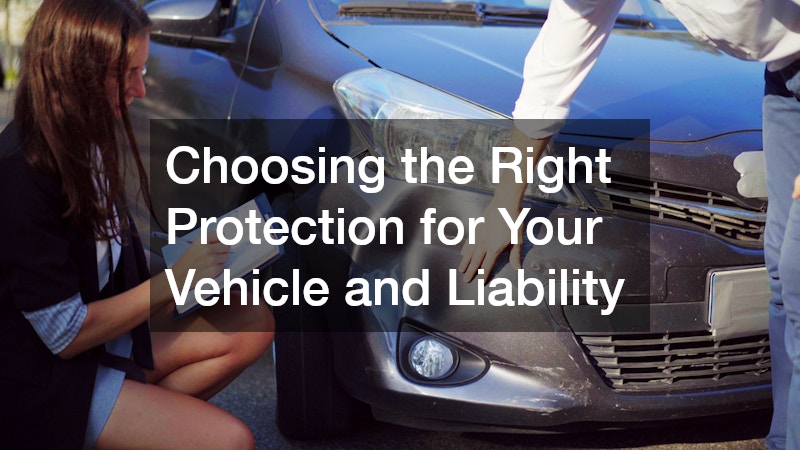
Insurance plays a key role in responsible vehicle ownership, offering financial protection in case of accidents, theft, damage, or natural events. Drivers should understand the types of coverage available, compare policies, and choose a trusted car insurance provider that offers the appropriate level of protection for their needs. Key coverage options often include liability, collision, comprehensive, uninsured motorist, and roadside assistance, each designed to support different types of risks. Reviewing your policy details carefully ensures that you know what is covered and what may require additional protection.
Drivers should take time to assess their driving habits, location, and vehicle type when choosing coverage. For example, those who frequently travel long distances may benefit from enhanced roadside assistance, while drivers in high-traffic areas may want more robust liability coverage. Regularly reviewing your policy helps ensure that your plan keeps pace with your lifestyle changes, new vehicle purchases, or shifts in driving patterns. Being well-informed about your insurance options allows you to make smart, financially sound decisions that protect both your vehicle and your financial well-being. With the right insurance strategy, you build a safety net that supports road-smart decision-making and provides peace of mind on every trip.
Responding Effectively to Sudden Breakdowns or Emergencies
No matter how well you maintain your vehicle, unexpected issues can still occur. Being prepared for roadside emergencies helps you respond calmly and safely when your vehicle experiences a breakdown, flat tire, or mechanical failure. One of the most important resources during these situations is an emergency towing service, which can assist when your vehicle is no longer drivable. Keeping the contact information of a reliable company ensures help is readily available when you need it most. Drivers should also maintain a roadside kit that includes essentials such as a flashlight, jumper cables, first-aid supplies, a tire pressure gauge, reflective triangles, gloves, and basic tools.
In addition to equipment, drivers should understand how to stay safe while waiting for assistance. This includes pulling over to a safe location, turning on hazard lights, and remaining aware of traffic conditions. Familiarizing yourself with basic troubleshooting steps, such as checking battery connections or identifying obvious leaks, can help you communicate more effectively with roadside professionals. Preparedness reduces stress and keeps you safe during unexpected vehicle issues. By anticipating emergencies and planning appropriately, drivers can navigate sudden challenges with confidence and prevent accidents or further damage to their vehicles.
Developing Skills That Improve Driving Confidence

Driving skills improve with experience, but some drivers choose to pursue additional training to enhance their abilities. Professional programs offered through trucking schools can provide valuable insights into vehicle handling, safety protocols, and situational awareness. While these programs primarily train individuals to operate commercial vehicles, the techniques learned can benefit any driver interested in mastering defensive driving, understanding road safety at a deeper level, or exploring career opportunities in the transportation industry. Training environments often include both classroom instruction and hands-on driving practice.
Improved driving skills reduce the likelihood of accidents and can increase your confidence in challenging conditions such as heavy traffic, inclement weather, or long-distance travel. Drivers learn how to assess hazards, maintain safe following distances, manage blind spots, and respond effectively to unexpected changes on the road. Many training programs emphasize patience, attention to detail, and respect for road regulations. Although not all drivers pursue formal training, understanding the principles taught in these programs can inspire better habits and smarter decision-making behind the wheel. Developing advanced driving skills contributes to safer roads and a more enjoyable experience on every journey.
Understanding When Specialized Legal Support is Necessary
Some road incidents require highly specialized legal guidance, especially when they involve large vehicles or commercial transport. In situations where a crash involves a commercial truck, consulting a knowledgeable truck accident attorney can help drivers navigate complex legal and insurance processes. These attorneys understand the regulations that govern commercial transportation, the types of evidence necessary to build a strong case, and how liability is determined when multiple parties are involved. Their experience is valuable in incidents where injuries, property damage, or disputes arise from collisions with trucks or other large vehicles.
Drivers often underestimate the complexity of commercial vehicle accidents, but these cases frequently involve factors such as vehicle logs, maintenance records, trucking company policies, and federal safety regulations. An experienced attorney can help evaluate these elements and explain your rights clearly. If you are involved in an accident with a commercial vehicle, seeking legal guidance early helps ensure that important evidence is preserved and that you receive accurate advice. Understanding when specialized legal support is necessary is part of being a road-smart driver who knows how to protect themselves, their passengers, and their long-term interests after a serious incident.