Upgrades and Maintenance for Your Car Worth Budgeting For
Owning a vehicle offers unparalleled freedom, but it also demands a continuous commitment to financial planning and preventative care. Every mile driven introduces slight wear and tear on complex systems, gradually reducing performance and exposing key components to environmental hazards. Many car owners view maintenance purely as a reactive necessity, waiting for a dashboard light to illuminate before scheduling a service appointment. Shifting to a proactive mindset transforms how a vehicle ages, preserving both its market value and everyday reliability.
-
Establish an emergency vehicle fund equal to roughly three to six months of expected maintenance costs.
-
Track service intervals digitally using dedicated mobile apps or physical vehicle logbooks to avoid missed service windows.
-
Review seasonal climate challenges in your region to prepare your car for harsh winter road salts or extreme summer heat.
Budgeting for key upgrades and routine care ensures that mechanical issues are handled long before they transform into catastrophic structural failures. By dedicating funds to both cosmetic preservation and mechanical health, drivers protect their long-term investment. Modern vehicles are marvels of mechanical and digital engineering, relying on thousands of moving parts that must operate in total sync. Strategic financial planning allows owners to execute timely upgrades, stay ahead of wear schedules, and keep their transport performing reliably year after year.
Preserving Exterior Aesthetics and Structural Integrity

Environmental Protection for Modern Paint Systems
Keeping a vehicle looking brand new requires more than an occasional automated wash, which can actually leave micro-scratches across clear coats. Standard clear coat finishes react constantly to environmental elements like UV rays, bird droppings, road salt, and acidic rain. Investing in auto ceramic coating creates a resilient, hydrophobic layer over top surfaces, preventing contaminants from bonding directly to the paint. This chemical bond makes routine cleaning far easier while offering multi-year protection against premature oxidation and environmental degradation.
-
Wash surfaces thoroughly using a two-bucket method to remove loose dirt prior to applying surface seals.
-
Avoid automated car washes that utilize heavy physical brushes, which strip protective sealants and scratch clear coats.
-
Park in covered garages or shaded areas whenever possible to minimize direct ultraviolet light degradation.
Beyond chemical paint protection, vehicle owners should consider physical barriers like clear paint protection films for high-impact front zones. Rocks, kicked-up gravel, and debris on highways can chip paint down to the raw metal layer within seconds. Combining physical protective films on forward-facing bumpers with high-grade liquid chemical coatings across side panels delivers complete exterior coverage that maintains factory paint clarity for years.
Restoring Panels and Frame Alignment
Even minor parking lot bumps, shopping cart impacts, or moderate road hazards can compromise the structural alignment of panel gaps. Professional auto body work does much more than fix surface blemishes; it ensures the underlying frame remains structurally sound and rust-free. Promptly fixing dented panels or cracked bumpers prevents moisture from creeping into bare metal seams, stopping deep corrosion before it threatens vehicle safety.
-
Inspect inner wheel wells and lower door seams regularly for signs of hidden bubbling paint or surface orange rust.
-
Verify that panel gaps around the hood and trunk remain perfectly uniform after minor low-speed parking impacts.
-
Replace damaged undertrays and plastic wheel arch liners immediately to block road salt from spraying internal frame rails.
Ignoring minor body damage allows moisture and road chemicals to establish a foothold beneath surrounding paint layers. Once corrosion begins beneath the clear coat, it spreads laterally, weakening structural sheet metal and causing costly paint flaking. Addressing panel shifts early keeps air seals tight around doors, preventing annoying wind noise and cabin water leaks during heavy rainstorms.
Treating Weather Collisions and Storm Damage
Severe storms can quickly leave a hood and roof covered in deep, unsightly impact points that ruin resale value. Arranging for specialized hail damage repair helps pop out these depressions without disrupting the original factory finish or requiring extensive repainting. Dent technicians utilize precise specialized tools behind panels to restore original contours seamlessly, preserving factory paint integrity and saving substantial money over full panel replacement.
-
Seek out certified paintless dent repair technicians who specialize in back-panel massage techniques.
-
Obtain a complete lighting inspection following severe hail events to uncover subtle roof indentations missed in daylight.
-
Check surrounding glass trim seals and exterior weatherstripping for micro-tears caused by heavy icy impacts.
Hail storms frequently strike without warning, making rapid post-storm assessment essential for insurance documentation. Catching structural indentations immediately prevents residual stress on clear coat surfaces, which can lead to micro-fissures over time. Restoring metal surfaces to original factory contours ensures that the vehicle retains its original aesthetic lines and complete structural rigidity.
Elevating Mechanical Dependability and Engine Efficiency
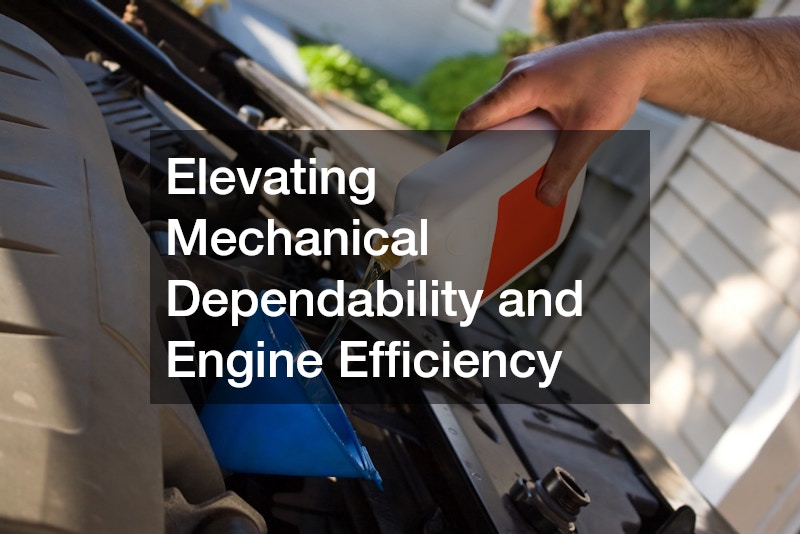
Selecting Full-Service Repair Infrastructure
Finding a reliable mechanic shop gives vehicle owners access to advanced diagnostic scanners, specialized tools, and experienced technicians. Establishing a relationship with a certified center ensures consistent maintenance logs, which are vital when proving resale value to future buyers. Routine multi-point inspections at these facilities uncover hidden leaks, cracking belts, and aging rubber hoses before those components fail on the highway.
-
Request written multi-point inspection reports during every routine engine oil change to monitor wear trends.
-
Ask service advisors if technicians hold specialized certification credentials for your specific car brand.
-
Maintain a detailed binder containing all physical receipts, parts numbers, and service records for easy buyer verification.
A trusted shop acts as a long-term advisor for your vehicle, helping you prioritize repairs based on safety and wear urgency rather than sales targets. Technicians who see the same vehicle regularly can spot gradual fluid degradation or emerging suspension play long before an emergency breakdown occurs. This ongoing relationship transforms maintenance into a predictable, manageable line item in your monthly household budget.
Comprehensive Drivetrain Inspections
The internal system responsible for transferring power from the engine to the drive wheels operates under high heat and extreme friction. Scheduling periodic service for the transmission ensures that hydraulic fluid stays clean, cool, and capable of smooth gear transitions. Fresh fluid prevents internal clutch slippage, reduces metal shaving accumulation, and avoids costly assembly rebuilds down the road.
-
Monitor transmission fluid color and odor during regular dipstick checks, looking for dark hues or burnt smells.
-
Install an auxiliary fluid cooler if you regularly tow heavy trailers or drive in mountainous terrain.
-
Never ignore delayed gear engagement or hard shifting, as these signal immediate fluid breakdown or valve issues.
Modern automatic and dual-clutch assemblies rely on microscopic tolerances inside their internal valve bodies to change gears accurately. Contaminated fluid restricts fluid flow, leading to localized overheating and accelerated friction plate wear. Proactively flushing old fluid out according to factory mileage schedules prevents catastrophic internal failure, saving thousands in assembly replacements.
Professional Fleet and Consumer Fixes
From alternator swaps to cooling system overhauls, relying on established car repair services keeps vehicle systems running within strict factory tolerances. Modern engines rely on sensitive sensors and precise fluid pressures that deteriorate without expert attention. Professional repair professionals ensure all factory service bulletins are met, extending the operational life of the primary drivetrain by tens of thousands of miles.
-
Replace water pumps and thermostats proactively whenever scheduling a primary engine timing belt service.
-
Flush engine coolant every two to three years to prevent internal core corrosion and heater core clogging.
-
Inspect engine air filters every season, swapping them out when dust reduces engine efficiency and fuel economy.
Complex modern engine bays leave little room for error when replacing critical drive components. Professional technicians utilize precise torque wrenches and original equipment manufacturer parts to ensure every repair holds up under extreme operating stress. Keeping cooling and charging systems in peak health ensures your vehicle starts effortlessly every morning regardless of weather extremes.
Enhancing Safety, Stopping Power, and Electronics

Stopping System Overhauls and Inspections
Friction materials on stopping assemblies wear down predictably with every commute, requiring regular physical measurement. Visiting a qualified brake shop allows technicians to inspect pads, turn or replace worn rotors, and flush moisture-laden hydraulic fluid. Upgrading to high-performance ceramic pads reduces dusting while eliminating squeals and restoring crisp, immediate pedal response during emergency stopping situations.
-
Flush brake fluid every two years to eliminate water absorption that lowers fluid boiling points and softens pedal feel.
-
Inspect stainless steel brake lines for signs of outer cracking, chafing, or corrosion along underlying frame rails.
-
Clean and lubricate slide pins during pad replacements to prevent uneven friction material wear and rotor warping.
Brake hardware operates in an environment of extreme heat cycles, road grime, and constant moisture exposure. Sluggish calipers or unevenly worn pads compromise stopping distances significantly during sudden highway slowdowns. Investing in quality friction materials and fresh hydraulic fluid provides immediate feedback through the brake pedal, giving drivers full control during emergency maneuvers.
Rubber Selection and Tread Maintenance
Tires represent the only contact patch between a vehicle and the road surface, directly dictating traction, noise levels, and fuel economy. A trusted local tire shop provides essential services like high-speed dynamic balancing, routine tire rotation, and seasonal rubber swaps. Keeping tires evenly worn prevents premature tread cupping and ensures optimal water displacement during heavy downpours.
-
Rotate tires every five thousand to seven thousand miles to promote even tread wear across all four corners.
-
Check cold tire inflation pressures monthly using an accurate digital gauge rather than relying on gas station pumps.
-
Perform four-wheel alignment checks annually or immediately after hitting severe potholes or curbs.
Tire rubber compounds naturally harden with age, losing essential grip even if plenty of surface tread depth remains visible. Choosing the right seasonal tires for your regional weather ensures that rubber stays soft enough to bite into cold tarmac or channel surface water away efficiently. Proper tire maintenance pays immediate dividends in quieter cabin rides and optimized fuel consumption.
Digital Safety System Realignment
Modern vehicles feature advanced driver-assist systems including forward-collision warnings, lane-keeping assistance, and automatic emergency braking. When replacing a windshield or adjusting suspension geometry, scheduling an adas calibration aligns front-facing cameras and bumper radar units to factory specifications. Precise camera alignment ensures that digital safety features accurately measure distance and react correctly to sudden road hazards.
-
Verify digital camera alignment immediately following any front-end body repairs or windshield replacements.
-
Keep front radar sensors on bumpers clear of mud, heavy snow buildup, and thick road road grime.
-
Avoid adding aftermarket suspension lift kits without first consulting specialists about camera tilt angles.
Safety sensors mounted behind windshield glass or front grilles calculate distance in millimeters and fractions of a second. Misalignment of just a single degree can cause automatic braking systems to misjudge stopping distances or drift out of highway lanes unexpectedly. Proper electronic alignment guarantees that your vehicle’s digital safety shield functions exactly as engineered.
Deep Interior Restoration and Cabin Preservation
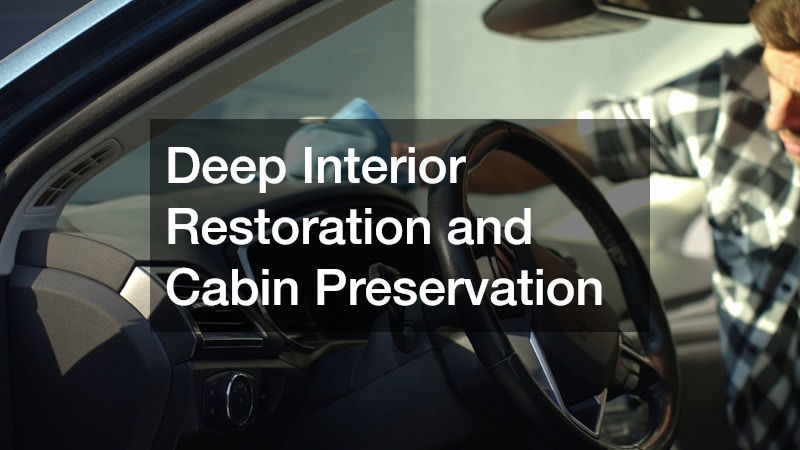
Interior Deep Cleaning and Exterior Decontamination
Over time, upholstery gathers ground-in dirt, leather seats dry out under sunlight, and carpet fibers trap ambient odors. Professional auto detailing services go far beyond simple vacuuming by utilizing steam extraction, leather conditioning, and paint clay bars. Deep cleaning cabin materials removes allergens and prevents leather from cracking, keeping the interior feeling fresh, clean, and luxurious.
-
Apply ultraviolet blocking conditioners to leather seats every three months to prevent surface cracking and fading.
-
Use high-temperature steam extraction on carpet fibers to lift deeply embedded sand, salt, and food spills.
-
Clean interior glass with dedicated streak-free cleaner to eliminate vinyl off-gassing film that creates night glare.
Maintaining a clean cabin environment protects sensitive dash electronics and prevents HVAC evaporator coils from harboring mold spores. Organic debris left in carpeting can trap moisture, accelerating sub-floor rust beneath sound-deadening mats. Regular interior deep restoration preserves that showroom feel and eliminates unpleasant odors that instantly turn away secondary market buyers.
Customizing Cabin Ergonomics and Comfort
Driver comfort plays a massive role in reducing fatigue on long highway road trips or during stressful daily commutes. Upgrading worn floor mats to fitted, all-weather rubber liners protects factory carpeting from mud, snow, and spilled coffee. Adding custom seat cushions or upgrading interior lighting to crisp LEDs improves cabin utility and creates a far more enjoyable personal space.
-
Invest in custom 3D-scanned all-weather floor liners that feature raised edges to trap liquid spills completely.
-
Replace halogen dome bulbs with energy-efficient LED upgrades for superior night cabin visibility.
-
Install high-quality window tint films to block heat transfer and reduce daily cabin conditioning loads.
Small ergonomic modifications can fundamentally change how your vehicle feels during tedious rush-hour traffic. Protecting original interior surfaces beneath rugged floor barriers ensures that beneath the utility, factory carpeting stays immaculate. Upgraded lighting and heat-blocking window films create a cooler, calmer sanctuary for daily travel.
Infotainment and Tech Overhauls
Older vehicles often lack modern navigation systems, wireless smartphone integration, or high-definition backup cameras. Upgrading to a modern double-DIN head unit instantly modernizes the dashboard interface while introducing hands-free calling and live traffic routing. Equipping an older car with modern connectivity keeps the driver focused on the road while adding convenient functionality found in new models.
-
Choose receiver head units that support seamless wireless integration for popular smartphone operating systems.
-
Add wide-angle backup cameras with dynamic parking gridlines to eliminate visual blind spots while reversing.
-
Incorporate steering wheel control retention modules so primary media buttons remain fully operational.
Modern technology moves far faster than automotive design cycles, leaving older dashboards feeling dated after just a few years. Installing modern media hubs bridges this gap, bringing real-time voice-assisted navigation and clear Bluetooth audio into older, mechanically sound vehicles. Hands-free voice commands keep your eyes on the road, dramatically improving daily driver safety.
Proactive Care for Peak Performance
Building a dedicated maintenance budget removes the stress of sudden vehicle breakdowns while protecting your long-term financial health. Prioritizing critical mechanical systems alongside exterior protection ensures that a vehicle delivers reliable, comfortable performance for years to come. Treating car care as a planned investment rather than an unexpected burden keeps your vehicle safe, stylish, and valuable over the course of ownership.