
Essential Maintenance Tips to Keep Your Car Running Smoothly
Maintaining a car goes far beyond keeping it clean and shiny. Proper care ensures safety, prolongs vehicle life, reduces repair costs, and helps maintain performance and fuel efficiency. Ignoring routine maintenance often leads to unexpected breakdowns, expensive auto repair, or even safety hazards. Collaborating with a trusted mechanic or using specialized services like mobile truck repair and towing services can save both time and money in the long run. This guide explores essential car maintenance tips, covering everything from oil changes and tire alignment to brake repair, auto window tinting, and more. By understanding what your car needs and when, you can keep it running smoothly for years to come.
In addition, staying proactive with preventive care—such as scheduling regular inspections, addressing minor issues promptly, and using professional services for tasks like frame alignment shop work or car dent repairs—can prevent small problems from becoming major repairs, keeping your vehicle safe, reliable, and efficient.
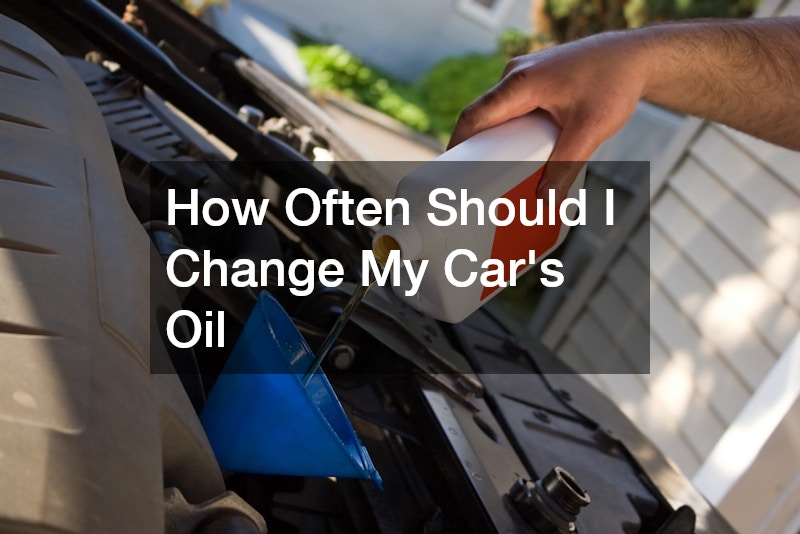
How Often Should I Change My Car’s Oil
Understanding Manufacturer Recommendations
Every vehicle comes with a manufacturer’s recommended oil change interval, usually based on mileage or time. Adhering to these guidelines helps prevent engine wear and maintains performance. Using the right oil type also plays a significant role in engine health. Mechanics and auto repair shops can advise whether conventional, synthetic, or high-mileage oil is appropriate, depending on your driving habits and vehicle age.
Factors Influencing Oil Change Frequency
Several factors influence how often oil changes are needed. Frequent short trips, extreme temperatures, heavy towing, or city driving with frequent stops can cause oil to degrade faster. Vehicles used for mobile truck repair or commercial purposes may require more frequent servicing. Your mechanic can help tailor a schedule that protects your engine while preventing unnecessary expenses.
Signs That Your Oil Might Need Changing
Indicators such as dark or gritty oil, unusual engine noises, or the oil change light on the dashboard suggest it’s time for a change. Ignoring these signs can lead to costly engine repairs and decrease fuel efficiency. Routine inspections, often performed during other services like brake repair or tire alignment checks, help identify these issues early.
Choosing the Right Type of Oil
Selecting the correct oil type is vital. Synthetic oils offer better protection and longevity for high-performance engines, while conventional oils may suffice for older or less demanding vehicles. High-mileage oil can reduce leaks and maintain engine efficiency. Consulting a professional mechanic ensures your vehicle receives the most suitable option.
DIY Oil Change Versus Professional Service
While some car owners prefer changing oil themselves, professional services offer several advantages. Mechanics can check for leaks, inspect brakes, examine tire alignment, and ensure the vehicle operates safely. Additionally, auto repair shops handle proper disposal of used oil, which is critical for environmental protection.
What Are the Importance of Tire Maintenance
Checking Tire Pressure
Proper tire pressure affects handling, safety, and fuel efficiency. Tires lose air naturally over time, and extreme temperatures can accelerate this process. Checking and maintaining correct pressure is crucial for preventing accidents and improving tire longevity. Many auto repair centers provide quick pressure checks alongside tire alignment services.
Importance of Tire Rotation
Tire rotation ensures even wear, extending tire life and improving performance. Your mechanic can recommend an appropriate rotation schedule based on your vehicle’s drivetrain and usage. Ignoring rotation can lead to uneven wear, which reduces traction and may necessitate premature replacement.
Understanding Tire Tread Wear
Tread depth is vital for traction and safety. Uneven wear may indicate alignment issues, which a frame alignment shop can correct. Regular inspections help identify problems early and maintain optimum driving performance.
When to Replace Your Tires
Cracks, punctures, or tread depth below recommended levels indicate replacement is necessary. Timely replacement not only ensures safety but also protects suspension components from damage caused by uneven tire wear.
Balancing and Alignment Basics
Proper balancing and alignment prevent uneven tire wear, reduce vibrations, and improve fuel efficiency. Regular inspections at an auto repair shop or frame alignment shop ensure safe and comfortable driving. Tire misalignment can also affect steering response and increase strain on suspension components.
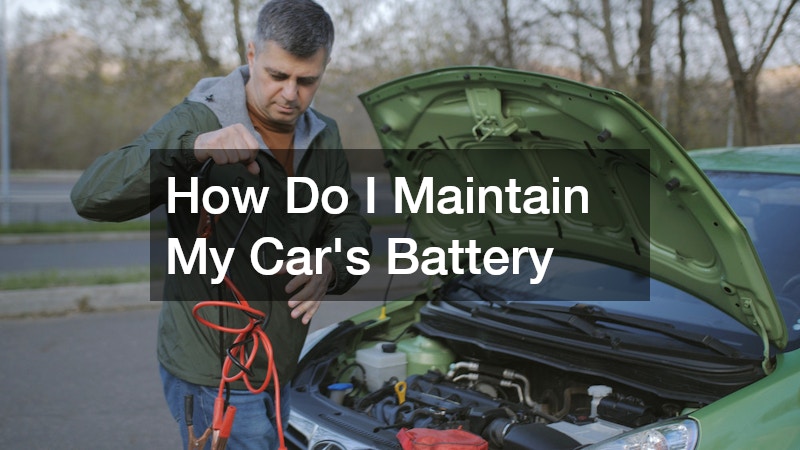
How Do I Maintain My Car’s Battery
Recognizing Signs of a Failing Battery
Slow engine starts, dim lights, and warning indicators suggest a failing battery. Timely attention prevents inconvenient breakdowns and the need for towing services.
Steps for Regular Battery Inspection
Checking battery terminals for corrosion, ensuring tight connections, and monitoring charge levels keeps the battery reliable. Mobile truck repair services often provide on-site battery testing for convenience.
Keeping Battery Terminals Clean
Corrosion impedes battery performance and can prevent the car from starting. Cleaning terminals with appropriate solutions enhances connectivity and extends battery life.
Testing Battery Performance
Mechanics use diagnostic tools to test voltage and overall battery health. Identifying weak batteries before they fail reduces the risk of being stranded and minimizes the need for emergency towing services.
Properly Storing Your Vehicle’s Battery
For vehicles not in use for extended periods, disconnecting and storing the battery in a cool, dry place preserves its lifespan. This step is particularly important for classic cars or seasonal vehicles.
Why Is Regular Brake Inspection Crucial
Identifying Brake System Warning Signs
Squealing, grinding, or reduced braking response indicates brake issues. Regular inspections help prevent accidents and costly brake repair. A mechanic can assess whether pads, rotors, or fluid systems require attention.
Inspecting Brake Pads and Rotors
Worn pads and damaged rotors compromise stopping power. Brake repair services ensure components are replaced correctly, restoring safety and efficiency.
Understanding Brake Fluid Maintenance
Brake fluid absorbs moisture over time, reducing braking performance. Regular checks and flushing prevent system failures and maintain responsiveness.
When to Perform Brake Bleeding
Air trapped in brake lines reduces braking effectiveness. Professional brake service, including brake bleeding, restores optimal performance and ensures reliable stopping power.
DIY Versus Professional Brake Service
Minor brake maintenance can sometimes be done at home, but professional mechanics provide precise installation, fluid checks, and safety verification. This ensures long-term reliability.
How Do I Ensure My Car’s Cooling System Is Working Properly
Checking Coolant Levels
Low coolant can cause engine overheating. Regular checks prevent serious damage and maintain efficiency. Consistently monitoring coolant levels also helps detect leaks early, protecting the engine and other critical components from long-term damage.
The Importance of Radiator Maintenance
A clogged or leaking radiator reduces cooling performance. Mechanics can clean, flush, or repair radiators as needed, preventing overheating and expensive repairs. Proper radiator maintenance also supports overall engine efficiency, extends the lifespan of connected components, and minimizes the risk of sudden breakdowns.
Flushing and Refilling the Cooling System
Periodic flushing removes rust and contaminants. This improves heat transfer, extends radiator life, and prevents component failure. It also ensures that other cooling system components, such as hoses and thermostats, operate efficiently, reducing the risk of overheating and costly repairs.
Signs of a Failing Thermostat
Temperature fluctuations or overheating often indicate a faulty thermostat. Addressing this early prevents engine damage and costly repairs. Timely replacement or repair also helps maintain optimal performance of the entire cooling system, protecting the engine and extending the vehicle’s lifespan.
Inspecting Hoses and Belts for Wear
Cracked hoses or worn belts can cause leaks or system failures. Regular inspection and replacement are essential parts of vehicle maintenance. Proactively replacing these components ensures reliable operation, prevents breakdowns, and reduces the likelihood of expensive auto repair in the future.
What Are the Essentials of Transmission Maintenance
Recognizing Transmission Issues Early
Delayed shifting, strange noises, or leaks indicate potential transmission problems. Early detection can save thousands in repairs and maintain smooth performance.
The Role of Transmission Fluid
Clean fluid lubricates moving parts and dissipates heat. Mechanics often include fluid checks during routine auto repair services. Maintaining proper fluid levels also prevents premature wear, reduces the risk of transmission failure, and ensures smooth, reliable vehicle operation.
How Often to Service Your Transmission
Service intervals depend on manufacturer recommendations. Timely maintenance prevents premature wear and ensures smooth operation.
Understanding Transmission Filter Changes
Filters trap contaminants that damage transmission components. Replacing them on schedule maintains system efficiency.
Automatic Versus Manual Transmission Care
Automatic and manual transmissions require different care routines. Professionals tailor maintenance accordingly, ensuring longevity and performance.
How Important Are Fluid Level Checks, and Which Fluids Should Be Monitored
Overview of Essential Car Fluids
Engine oil, brake fluid, coolant, power steering fluid, and windshield washer fluid are all critical for operation and safety.
Checking Engine Oil and Coolant Levels
Regular inspection prevents engine damage and overheating. Mechanics performing routine auto repair often combine this with other services for convenience.
Inspecting Brake and Power Steering Fluids
Adequate fluid levels ensure safe braking and smooth steering. Low or contaminated fluid should be addressed immediately.
Importance of Windshield Washer Fluid
Maintaining washer fluid improves visibility and safety. Cracked auto glass may require auto glass replacement for full effectiveness.
Identifying Fluid Leaks
Leaks often indicate deeper issues. Early detection and repair prevent costly auto repair and maintain vehicle reliability.
How Can I Maintain the Exterior and Interior of My Car
Car Washing Techniques and Products
Regular washing removes debris and prevents paint deterioration. Professional detailing enhances the vehicle’s look while protecting finishes.
Waxing and Polishing Benefits
Waxing creates a protective layer, and polishing removes minor scratches, improving longevity and aesthetics.
Interior Cleaning Tips
Vacuuming, wiping surfaces, and cleaning upholstery prolong interior life. Mobile truck repair or detailing services can assist for larger vehicles.
Maintaining Leather and Upholstery
Conditioning leather prevents cracks, while fabric treatments extend the life of upholstery. Regular care reduces long-term replacement costs.
Dealing With Rust and Paint Chips
Rust or paint damage can spread quickly. Timely car dent repairs, touch-ups, or panel replacements maintain structural integrity and appearance.
How Do I Maximize Fuel Efficiency
Optimal Driving Habits
Smooth acceleration, consistent speeds, and reduced idling improve fuel economy. Properly aligned tires and well-maintained brakes further support efficiency.
Routine Maintenance for Fuel Efficiency
Clean filters, proper tire pressure, and fluid checks improve performance. Mechanics often combine these services with routine auto repair inspections.
Weight Management and Aerodynamics
Removing unnecessary cargo and keeping windows closed at high speeds can improve fuel efficiency. Proper auto window tinting also reduces interior heat buildup, lessening the need for air conditioning.
Fuel Additives and Their Efficacy
Some additives enhance combustion or clean the fuel system. Consulting a mechanic ensures safe, effective use without damaging the engine.
Essential Tips for Urban Versus Highway Driving
Stop-and-go traffic versus highway cruising affects fuel efficiency differently. Brake repair, tire alignment, and fluid maintenance ensure optimal performance in both scenarios.
What Should Be Included in a Routine Maintenance Schedule
Components of a Maintenance Checklist
A comprehensive checklist includes oil changes, tire rotation, brake repair, fluid inspections, auto glass replacement, and car dent repairs. Following this schedule helps prevent costly breakdowns.
Monthly Car Care Tasks
Checking tire pressure, inspecting lights, cleaning interiors, and performing minor adjustments prevent larger issues over time. Regularly performing these tasks also helps maintain optimal safety, improves fuel efficiency, and prolongs the lifespan of tires and other essential components.
Seasonal Maintenance Considerations
Prepare for winter with battery and coolant checks, and for summer with radiator, air conditioning, and tire maintenance. Mobile truck repair services can assist with seasonal preparations.
Time and Mileage-Based Service Intervals
Follow manufacturer guidelines for auto repair, brake repair, and fluid replacement. Keeping track of these intervals ensures long-term vehicle reliability.
The Importance of Record-Keeping
Documenting all maintenance and repairs helps track vehicle history, aids resale value, and assists mechanics in diagnosing future issues. Keeping detailed records also allows you to identify recurring problems early, schedule timely preventive maintenance, and avoid costly emergency repairs.
Regular car maintenance is essential for safety, performance, and longevity. From oil changes and tire alignment to brake repair, auto glass replacement, and mobile truck repair, each step contributes to a reliable vehicle. Maintaining fluids, tires, brakes, and interiors, alongside scheduled inspections, helps prevent costly repairs and improves fuel efficiency. By following these essential tips and maintaining a consistent schedule, you can enjoy a smooth-driving experience, reduce unexpected breakdowns, and keep your car in top condition for years to come. Consistently partnering with a trusted mechanic and utilizing specialized services like towing services, car dent repairs, frame alignment shop visits, and auto window tinting ensures that every aspect of your vehicle is cared for, enhancing both safety and resale value.